DARLING in the FRANXX: What Stands Out on Paper
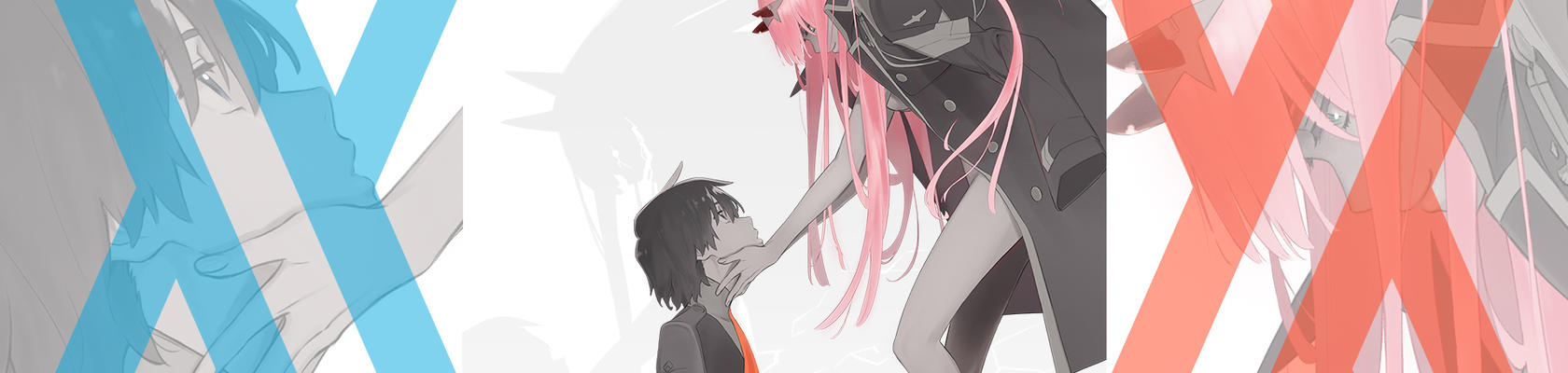
DARLING in the FRANXX pairs a ruined-future setting and children piloting robots against giant organisms with a genre mix that also includes romance and psychological drama.
- ◆ TV series · 24 episodes · 24 min each
- ◆ Jan 2018 – Jul 2018
- ◆ Studio: A-1 Pictures, Trigger
- ◆ Genres: Action, Drama, Mecha, Psychological
- ◆ Rating: 7.4/10 on Kitsu
- ◆ Age guide: PG — Teens 13 or older
What stands out about DARLING in the FRANXX
The premise starts with humanity living in a mobile city amid a ruined wasteland, while children are kept in a place known as the Birdcage and assigned to pilot FRANXX. Their opponents are mysterious giant organisms. That setup gives the series a clear science-fiction conflict, but the children’s restricted lives add a more personal point of tension. The story’s central figures include Hiro, once regarded as a prodigy, and Zero Two, whose arrival gives the premise a romantic hook.
The listed genres—Action, Drama, Mecha, Psychological, and Romance—make for a broader mix than a robot-versus-monster setup alone might suggest. The themes also point toward relationship complications, stereotypes, conspiracy, and Super Robot elements, though those labels do not explain how each is handled. At 24 episodes of about 24 minutes, the series has room for a sustained story rather than a short special. Its format and premise make it relevant to viewers choosing between science fiction action and character-focused drama.
Ratings and popularity
Kitsu lists a 7.4/10 average user rating, with a #3132 rating rank and a #128 popularity rank. It also shows 84,715 Kitsu users have the series in their lists. The stronger placement by popularity than by rating suggests that the title has a wider presence on the site than its rating position alone might imply. These figures describe Kitsu’s public data, not a single shared response, and they do not establish why users added or rated the series.
The tone to expect
The combination of Action, Mecha, and Drama points to a story that balances conflict with character concerns. Psychological and Romance are also part of the genre listing, while themes such as Slow When It Comes To Love and Love Polygon signal that relationships matter to the framing. The setup points to emotional tension alongside the science-fiction threat, rather than a premise focused only on battles. Those genre and theme labels suggest a mix, not a guarantee of how much time each element receives.
The 24-episode length, with episodes of about 24 minutes, gives the premise space to develop across a full TV series. The themes of Conspiracy and Stereotypes sit beside the robot and romance elements, suggesting additional questions beyond the immediate fight against giant organisms. The age guide is PG — Teens 13 or older, and the audience label is Shounen. Together, those details offer a useful guide to category and intended audience, while the listed genres suggest a dramatic, relationship-aware science-fiction tone.
Is it your kind of series?
The first episode is a reasonable choice for viewers drawn to a ruined-future setting, robot pilots, and a premise that puts romance and psychological drama alongside action. The series may be less suited to someone seeking only a narrowly defined mecha conflict, since its listed genres and themes extend beyond that. Its 24-episode commitment is worth weighing before starting, and the Kitsu figures offer public context rather than a prediction of an individual viewer’s response.
Keep exploring
More to watch: Action anime, Drama anime, anime series. For a ranked shortlist, see Best Action Anime: Top-Rated Picks to Watch.
- Hug tto! Precure in Pictures: Poster and Character Art
- A Certain Scientific Railgun S: Why It Gets Talked About
- Darker than Black in Pictures: Key Art and Character Art
Data: i-Kino, Kitsu, Shikimori · Images: Kitsu · Written with AI assistance from public data. How we work
Browse all action anime guides →